What Businesses Should Know Before Building a Mobile App in 2026
A mobile app can help businesses improve customer engagement, simplify services, support internal operations, or create new digital experiences. However, building an app is more than choosing a design and starting development. Businesses need to understand their goals, users, features, technology, security, and long-term requirements before beginning mobile app development.
A clear plan can help businesses avoid unnecessary features, control development priorities, and create an application that provides real value.
- 1. Start With a Clear Business Goal
- 2. Understand Your Target Users
- 3. Choose the Right Features
- 4. Decide Between Native and Cross-Platform Development
- 5. Plan for Security From the Beginning
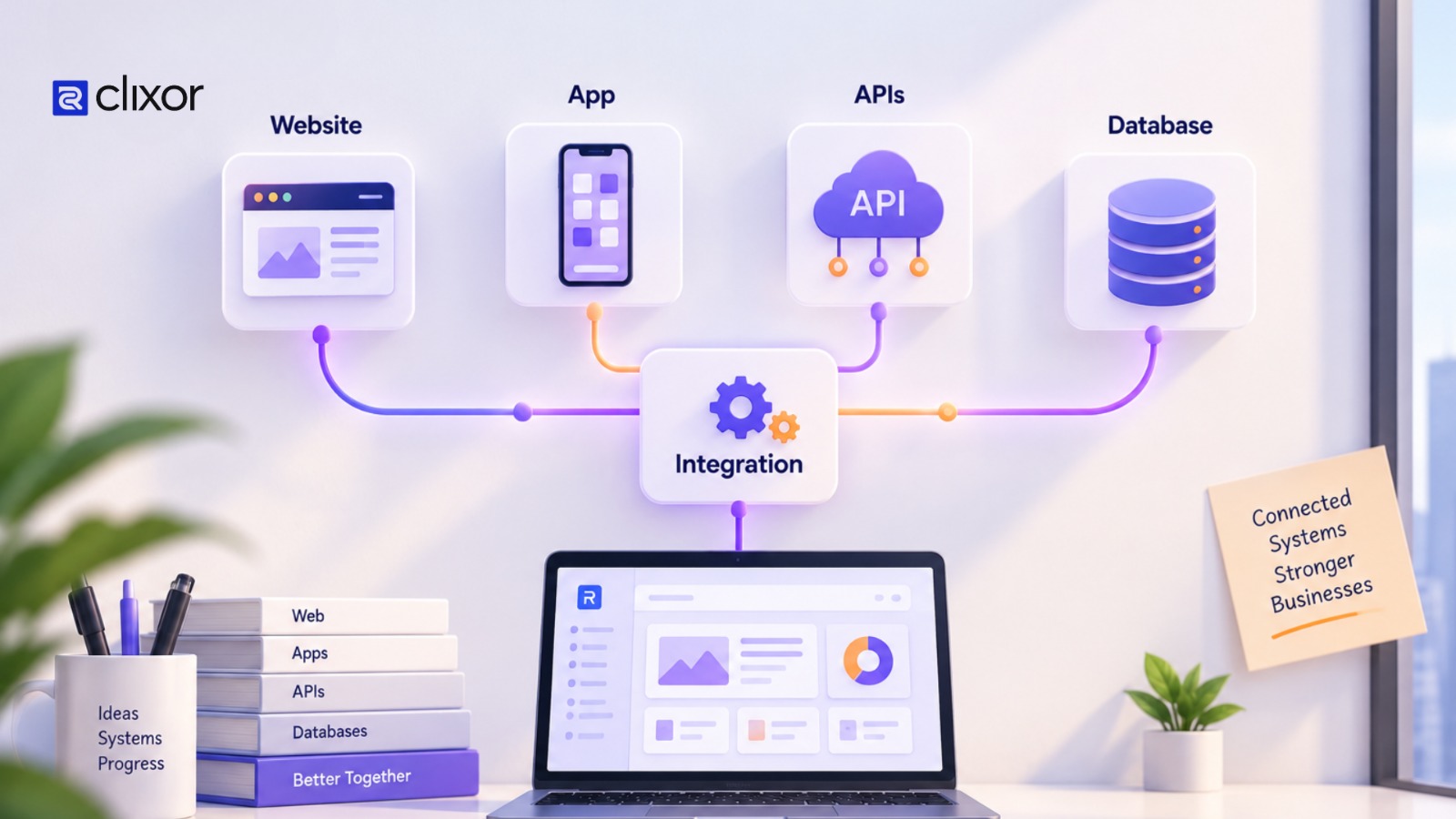
- 6. Consider API and System Integration
- 7. Think About Performance and Scalability
- 8. Test Before Launch
- 9. Plan for Maintenance and Updates
- Conclusion
1. Start With a Clear Business Goal
Before investing in mobile application development, define what the app is expected to achieve.
The goal could be to allow customers to place orders, manage appointments, access services, communicate with a business, or help employees complete daily tasks.
A clear goal helps determine which features are actually necessary.
2. Understand Your Target Users
An app should solve a real problem for its intended users.
Businesses should understand who will use the application, what they need, and how they currently complete the relevant task. For example, a logistics company may need an app that helps drivers update delivery information, while a retail business may focus on product browsing and mobile purchases.
Understanding users early can influence both functionality and design.
3. Choose the Right Features
Adding every possible feature can make an application complicated and expensive to maintain.
Start with the core functions required to solve the main problem. Additional features can be considered as the application develops and user needs become clearer.
Common business app features may include user accounts, notifications, payments, search, location services, messaging, booking, and reporting.
4. Decide Between Native and Cross-Platform Development
Businesses need to choose an appropriate development approach.
Native development creates applications specifically for platforms such as Android or iOS. Cross-platform development can allow teams to build applications for multiple platforms using a shared development approach.
The right choice depends on the app's features, performance requirements, target platforms, development resources, and long-term plans.
5. Plan for Security From the Beginning
Security should not be added only after development is complete.
A business mobile app may handle customer information, account details, payment information, or internal business data. Developers should consider authentication, authorization, secure data handling, encryption, and appropriate access controls during development.
Security requirements should also reflect the type of information the application handles.
6. Consider API and System Integration
Many business apps need to communicate with existing systems.
For example, an e-commerce app may need to connect with product databases, payment gateways, inventory systems, shipping services, or CRM platforms.
Planning API integration early can help ensure that the mobile application works smoothly with the business's existing technology environment.
7. Think About Performance and Scalability
An application should be designed to handle its expected workload.
As users, transactions, and data increase, performance requirements may change. Businesses should consider application architecture, backend infrastructure, database performance, and monitoring during the planning stage.
A scalable foundation can make it easier to support future growth.
8. Test Before Launch
Testing is an important part of mobile app development.
Applications should be tested across relevant devices, operating systems, screen sizes, network conditions, and user scenarios. Functional, performance, security, and usability testing can help identify issues before users encounter them.
Testing should continue after launch as the application receives updates and new features.
9. Plan for Maintenance and Updates
Launching the application is not the end of development.
Operating systems change, security requirements evolve, users provide feedback, and businesses introduce new requirements. Regular maintenance and updates help keep an application functional and relevant over time.
Businesses should therefore consider ongoing development and support when planning the initial project.
Conclusion
Building a successful business mobile app requires more than good design and development. Businesses should first define their goals, understand users, select the right features, choose an appropriate development approach, and plan for security, integration, scalability, testing, and long-term maintenance.
In 2026, businesses should focus on building mobile applications that solve specific problems rather than simply creating an app because mobile technology is popular.
Clixor Technologies develops custom mobile and software solutions based on specific business requirements, helping organizations turn their digital ideas into practical applications.