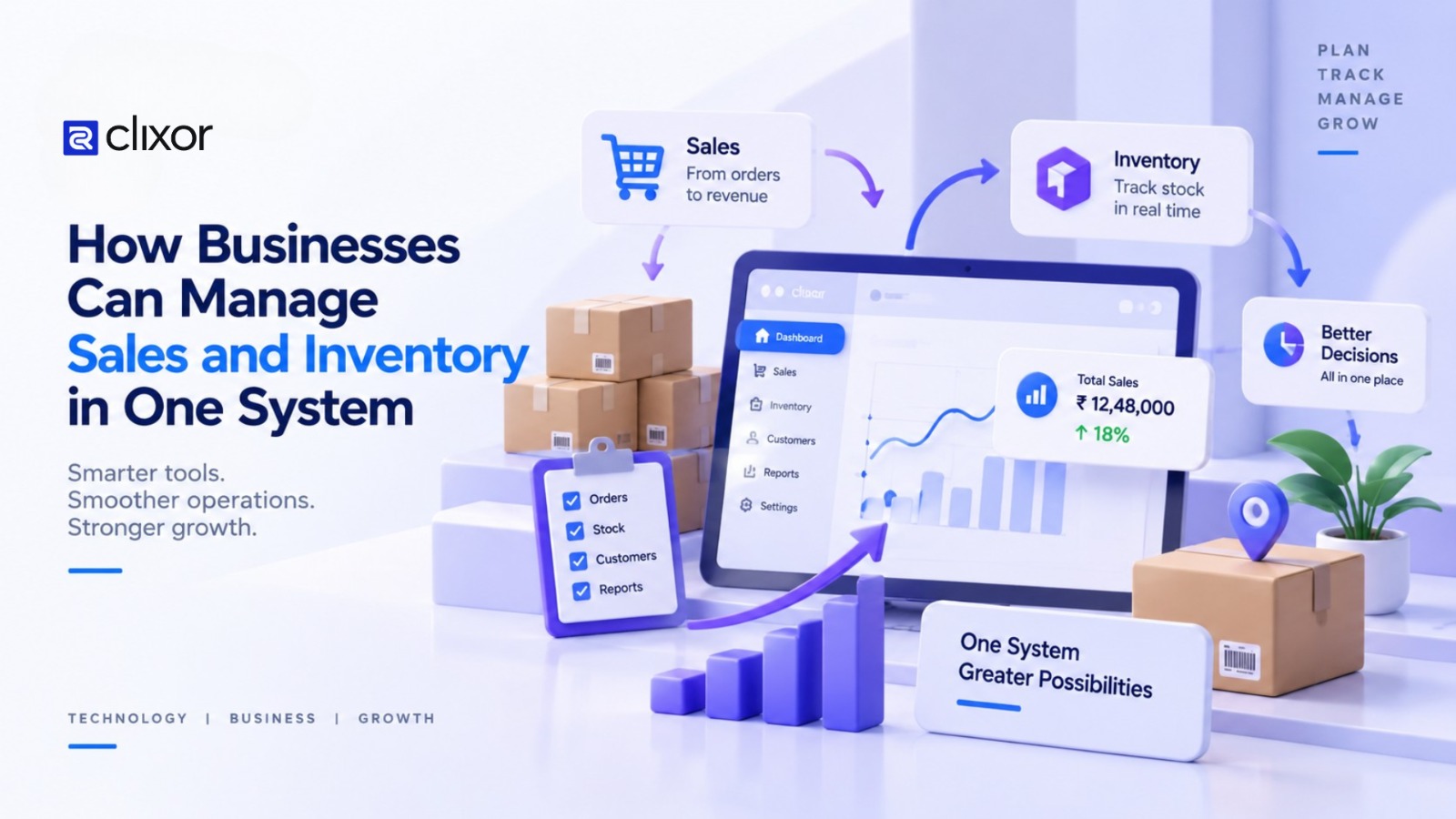
How Custom Software Helps Businesses Manage Industry-Specific Workflows
Every industry works differently. A manufacturing company may manage production stages and quality checks, while a logistics business may focus on shipments, tracking, and delivery schedules. Standard software may offer useful features, but it may not always match how a particular business operates.
Custom software for industry-specific workflows can help. Instead of asking employees to change their processes to fit a generic system, it can be designed around the business's actual requirements.
- What Are Industry-Specific Workflows?
- Why Standard Software May Not Always Be Enough
- How Custom Software Supports Industry-Specific Workflows
- Examples of Industry-Specific Software
- 5 FAQs About Custom Software for Industry-Specific Workflows
- Conclusion
What Are Industry-Specific Workflows?
An industry-specific workflow is a sequence of tasks that is closely connected to how a particular industry operates.
For example, a textile manufacturer may have a workflow involving customer orders, production planning, raw materials, manufacturing stages, quality checks, and dispatch. A healthcare organization may have a completely different workflow involving appointments, patient records, billing, and reports.
These workflows often include rules, approvals, documents, and responsibilities that are specific to the business.
Why Standard Software May Not Always Be Enough
Ready-made software is designed to serve a broad group of users. It can be a good choice when a business has common requirements.
However, problems can arise when a company has processes that do not fit the software.
Employees may need to use spreadsheets alongside the application, manually transfer information between systems, or follow additional steps outside the software.
Over time, these workarounds can make daily operations harder to manage.
How Custom Software Supports Industry-Specific Workflows
1. Software Can Match Existing Processes
Custom software can be built around the actual workflow of a business.
For example, if a company has a multi-step approval process, the software can be designed to route requests to the right person at each stage. This reduces the need for employees to manage approvals manually.
2. It Can Reduce Repetitive Work
Many industry-specific workflows contain repetitive activities such as entering information, generating documents, sending notifications, updating records, or preparing reports.
These tasks can often be automated within a custom system, allowing employees to spend more time on work that requires human decision-making.
3. Different Departments Can Work Together
Business processes often move across departments. Sales may pass information to production, production may depend on inventory, and accounts may need information for billing.
Custom software can connect these activities so that information moves between teams without unnecessary manual transfers.
4. Business Rules Can Be Built Into the System
Different industries often have specific rules for handling orders, approvals, pricing, production, or documentation.
Custom software can include these rules directly in the workflow. This can help employees follow the correct process and reduce avoidable mistakes.
5. The System Can Adapt as the Business Changes
Business workflows do not remain the same forever. Companies may introduce new services, expand operations, add departments, or change internal procedures.
A well-planned custom software solution can be updated as requirements change instead of forcing the business to completely change its workflow.
Examples of Industry-Specific Software
Custom software can support many types of businesses.
A textile company may need production and order tracking. A logistics company may require shipment and delivery management. A school may need student, attendance, fee, and communication workflows. A service business may need enquiry, scheduling, task, and billing management.
The software is valuable because it reflects the way the business actually works.
5 FAQs About Custom Software for Industry-Specific Workflows
1. What is custom software for industry-specific workflows?
It is software designed around the specific processes, rules, departments, and operational requirements of a particular business or industry.
2. Can custom software replace spreadsheets?
It can reduce the need for spreadsheets when their use is mainly caused by limitations in existing software or disconnected workflows.
3. Is custom software suitable for every business?
Not necessarily. Businesses should first evaluate their requirements, existing systems, budget, and long-term needs before choosing custom development.
4. Can custom software integrate with existing systems?
Yes. Custom software can be designed to integrate with existing applications through suitable APIs or other integration methods.
5. Can custom software be changed later?
Yes. A properly planned system can be maintained and updated as business processes and requirements evolve.
Conclusion
Industry-specific workflows can be difficult to manage when software does not match the way a business operates. Custom software for industry-specific workflows provides an opportunity to build processes around actual business requirements rather than relying on workarounds.
By supporting automation, integration, approvals, business rules, and department-level workflows, custom software can make daily operations more organized and easier to manage.
Clixor Technologies develops custom software solutions based on specific business requirements, helping organizations build digital systems that fit their workflows and operational goals.